THIS REVIEW IS SPOILER-FREE
Directors: Joe and Anthony Russo
Cast: Robert Downey Jr., Chris Evans, Mark Ruffalo, Chris Hemsworth, Scarlett Johansson, Jeremy Renner, Brie Larson, Bradley Cooper, Karen Gillan, Josh Brolin, Paul Rudd, Don Cheadle
Genre: Action
Year: 2019
The film which the entire Marvel Cinematic Universe has been leading up to over the past 10 years is finally out. Avengers: Endgame - the ultimate finale, following from the catastrophic events of Avengers: Infinity War.
The Avengers have lost. Thanos (Brolin) won - he managed to wipe out half of all life in the universe with the snap of his fingers. The remaining Avengers are left shocked, crippled and distraught when their friends all turned to dust unexpectedly. Iron Man (Downey Jr.) and Nebula (Gillan) are stranded on Titan, having lost all their allies with no feasible way of returning to Earth.
Not only did the events of Infinity War leave the Avengers shaken, but also the entire world. Never in a film franchise were the directors so bold as to simply eradicate over half the cast from existence. Never before have we seen our beloved heroes lose so traumatically. People were scarred from Spiderman's weak, trembling whimper "Mr Stark, I don't feel so good!" and heartbroken to find out that Groot's final "I am Groot" actually translates to "Dad" as he cries for Rocket's help. Devastation swept the nation and the Russo Brothers are back to inflict even more pain and suffering onto us all!
In Endgame, the Avengers have the simple goal of finding Thanos and getting their friends back. But naturally, it is never that simplistic. The Marvel team reportedly took three years to conjure up the plot for this film and with its complexity and the amount of twists and turns the film has to offer, it certainly shows. (Now this film is a minefield when it comes to spoilers - the slightest detail could ruin the entire experience for a viewer so I am going to avoid elaborating too much on what the plot consists of because the film is littered with so many spoilers, I cannot risk ruining it for somebody). Considering that fans have had about a year to submit their various wild theories about this film, the fact that the Russo's still pull the rug from under our feet with the direction they take this film is extremely impressive. There are some truly unexpected moments which are incredible and are bound to wipe the floor with any Marvel fan.
Speaking of which, this film is the perfect epitome of a love letter, written and addressed to all the loyal fans, in their masses, across the globe, as well as a fond retrospect on the whole of the MCU. In some ways the film does exploit fan service quite a bit - by that, the film often goes for plot directions which are used to solely satisfy its audience and excite all their fans. Its difficult to say this is a bad thing because a lot of these 'fan service moments' if you will are incredibly exhilarating moments in the film which just add to the adrenaline that it continually ignites and pumps its audience with, plus it is no bad thing to serve your fans, since they are the source that is keeping the films alive. From a critical perspective, one could argue that it distracts the directors from making their own personal film and instead making a film that the audience are wanting to see instead. But ultimately their decision to work with fan service throughout typically heightens the excitement and spectacle of the movie, leading to scenes which will undoubtedly leave the Marvel fandom giddy with elation.
The Russo's certainly deliver with this film though. Their passion for pleasing the Marvel fans and making a film that caps off the Avengers quad-rilogy, and essentially ten years of Marvel is so evident. They know what the fans want and they know how to make an exceptionally entertaining and technically brilliant film. The CGI and visual effects team are working on the double for this film, especially with the extraordinary climatic battle scene at the end, which is one of the most mind-blowing and insane battles to have occurred in Marvel history. Arguably, there is such a colossal amount of things occurring in this section of the film that the Russo's seem slightly overwhelmed with where to focus their attention when filming and some scenes feel rushed or inserted fleetingly in order to acknowledge certain topics but ultimately they refocus on the central element of the sequence (again, no spoilers at all here).
However despite this, the rest of the film, which keep in mind is three hours long, is very good at addressing each character relatively equally, in their post-snap state. Everyone has lost something or somebody as a result of Thanos and the Russo's do not gloss over any of the main characters. But they have a lot of ground to cover and while this is new territory that Marvel is entering into having a three hour movie, the film does have pacing issues. Despite this film being three hours, to its credit, it does not feel that long. In fact it feels relatively the same length film as Infinity War does. While the first act is a slow burn, this is somewhat necessary because it allows the consequences of Thanos' snap to really settle in with audience. This works actually really well as there seems to be a genuine sense of devastation among not only the Avengers but also the ordinary citizens of the world. However, there are multiple occasions scattered throughout the film which happen seemingly spontaneously and often with no explanation, or at least the explanation is quite cheap and more of an 'accept this is what happened, now let us move on with the movie'. It is a typical trope with these blockbuster movies - not to focus too much on the How and the plausibility of a thing that happens in the film but more that it did happen and therefore there is no need to question it. While there are some areas of the film which could be dismissed as simply adhering to the science and logic of this fictional world, there are other areas which seem too easily fixed or at least they were played up to be a much larger dilemma which ended up not being a problem and not even having that large an impact on the rest of the narrative.
Another thing which many critics also acknowledged with Infinity War and the same applies here is that Endgame is completely impenetrable to anybody who is not well versed in the Marvel films as its hardcore fans. While it is certainly made for its fandom, anybody who has missed maybe a couple of Marvel's previous releases, or even not watched any of their previous films, will find it nearly impossible to contemplate what is happening. Most other Marvel films work well as a standalone film but Endgame ensures that if you are not in tune with everything else has happened in this universe, you will simply not understand a thing which is happening nor the significance of any of the actions taken in the film. Nevertheless, on the other hand, what does occur is a delight for all those watching that are fully on board with the Cinematic Universe.
However despite all these criticisms, they are only small nitpicks of an otherwise really extraordinary film, which breaks the mould and sets a new standard for all opposing films to beat in the superhero genre. Marvel have definitely outdone themselves here and this is the perfect conclusion of this ten year journey that they have been leading up to. It is definitely an emotional rollercoaster and arguably the most emotionally poignant Marvel has been, yet it hits the nail on the head every time with these decisions. It is packed with heartbreak, humour, tension, danger and possibly some of the most exhilarating and engaging action set pieces they have offered in a film. It is so clear how much this franchise means, not only to the Russo's and Kevin Feige, but also to all the cast members who really put their all into every moment that their character is on screen. Endgame is the quintessential blockbusters of the ages; it has accomplished what no franchise has even come close to accomplishing before it.
Verdict: 9/10
Friday, 26 April 2019

Sunday, 3 March 2019
Alita: Battle Angel
Director: Robert Rodriguez
Cast: Rosa Salazar, Christoph Waltz, Jennifer Connelly, Mahershala Ali
Genre: Science fiction, action
Year: 2019
Coming in as one of the first big blockbusters of 2019, Alita: Battle Angel reveals itself to be an action packed, adrenaline fueled joyride.
Based off of the comic book series Battle Angel Alita, Rodriguez's newest action film to hit the screen follows the story of the eponymous hero, Alita, a cyborg, who is resurrected and cared for by kindly 'cyber-doctor' Ido. However, despite her initial wonder and excitement in discovering life for the first time, her curiosity about the dark underworld gets the better of her, and in a spontaneous street alley conflict, she is revealed, much to her surprise as to everybody else's, to be much more than a simple cyborg.
It comes as no surprise that a science fiction film, written by James Cameron, would be a great, thrilling movie. Cameron's career is almost inherently based upon his ability to create thrilling science fiction action movies; look no further than Terminator 2: Judgement Day and Aliens. So the exhilaration which the film inspires amongst its audience is more than expected and Alita certainly delivers in abundance. While to begin with, there is a significant focus on Alita discovering the world of the Iron City and the vibrant culture bubbling within it, the film truly takes off after its first action sequence. Immediately here, a deeper backstory to Alita is hinted at, something that Alita becomes instantly motivated to seek out and discover more about (being oblivious to her life before being saved by Ido).
The fighting is meticulously choreographed and executed with mesmerising intensity and fluidity. Utilising the benefits of the intricate CGI employed within this film (which, as a sidenote, is of a spectacularly stunning and strikingly refined quality), Rodriguez manages to punctuate all the action through the brutal ferocity of the fighting, straying away from the usual 'family friendly' standard of such modern action movies (while still remaining in the '12' rated category).
Despite the fact that the fighting is set between cyborgs, something not necessarily new to this genre, having the characters laden with heavy machinery and with their bodies augmented with a series of lethal artillery allows for much more variety in the character designs and the structure of the action itself. While one might sport an array of razor sharp blades, another is built around reinforced impenetrable armour.
However, knowing Cameron's screenplays, he too often prioritises the action above most other elements that are required within a film.
Of course, there is no denying that James Cameron can construct and execute magnificent, unforgettable action sequences (who can forget the iconic motorbike chase in T:2 or the final showdown between Ripley and the Queen Alien in Aliens); yet he sadly suffers in his writing when it comes to depicting emotion. His character building is sufficient in this film - it reveals enough about Alita to keep her character interesting, yet confines enough information from the audience to keep her still enigmatic. Plus her relationships and interactions with the other people of the Iron City feels natural or as natural as a human-cyborg relationships can be. Her inevitable relationship with Hugo flows quite smoothly, which is a breath of fresh air for a genre which so frequently forces a romance. Yet during the climatic events at the end of the film, much of the emotional responses portrayed here (no spoilers of course) are so rigid, unnatural, and awkward that it is difficult not to laugh. Cameron is too eager for the action scenes to take centre stage that he too often dismisses the critical, poignant, emotional scenes which, in Alita at least, feel poorly executed.
Naturally, through a much expected cliffhanger at the end, Alita's story is not quite finished in this single installment of a however long franchise. However, it serves as a great introduction into what could potentially be another exciting franchise of films. Not quite perfect but nevertheless extremely entertaining, Alita: Battle Angel is a really enjoyable, well made action film, with lovable characters and enthralling action.
Verdict: 8/10
Cast: Rosa Salazar, Christoph Waltz, Jennifer Connelly, Mahershala Ali
Genre: Science fiction, action
Year: 2019
Coming in as one of the first big blockbusters of 2019, Alita: Battle Angel reveals itself to be an action packed, adrenaline fueled joyride.
Based off of the comic book series Battle Angel Alita, Rodriguez's newest action film to hit the screen follows the story of the eponymous hero, Alita, a cyborg, who is resurrected and cared for by kindly 'cyber-doctor' Ido. However, despite her initial wonder and excitement in discovering life for the first time, her curiosity about the dark underworld gets the better of her, and in a spontaneous street alley conflict, she is revealed, much to her surprise as to everybody else's, to be much more than a simple cyborg.
It comes as no surprise that a science fiction film, written by James Cameron, would be a great, thrilling movie. Cameron's career is almost inherently based upon his ability to create thrilling science fiction action movies; look no further than Terminator 2: Judgement Day and Aliens. So the exhilaration which the film inspires amongst its audience is more than expected and Alita certainly delivers in abundance. While to begin with, there is a significant focus on Alita discovering the world of the Iron City and the vibrant culture bubbling within it, the film truly takes off after its first action sequence. Immediately here, a deeper backstory to Alita is hinted at, something that Alita becomes instantly motivated to seek out and discover more about (being oblivious to her life before being saved by Ido).
The fighting is meticulously choreographed and executed with mesmerising intensity and fluidity. Utilising the benefits of the intricate CGI employed within this film (which, as a sidenote, is of a spectacularly stunning and strikingly refined quality), Rodriguez manages to punctuate all the action through the brutal ferocity of the fighting, straying away from the usual 'family friendly' standard of such modern action movies (while still remaining in the '12' rated category).
Despite the fact that the fighting is set between cyborgs, something not necessarily new to this genre, having the characters laden with heavy machinery and with their bodies augmented with a series of lethal artillery allows for much more variety in the character designs and the structure of the action itself. While one might sport an array of razor sharp blades, another is built around reinforced impenetrable armour.
However, knowing Cameron's screenplays, he too often prioritises the action above most other elements that are required within a film.
Of course, there is no denying that James Cameron can construct and execute magnificent, unforgettable action sequences (who can forget the iconic motorbike chase in T:2 or the final showdown between Ripley and the Queen Alien in Aliens); yet he sadly suffers in his writing when it comes to depicting emotion. His character building is sufficient in this film - it reveals enough about Alita to keep her character interesting, yet confines enough information from the audience to keep her still enigmatic. Plus her relationships and interactions with the other people of the Iron City feels natural or as natural as a human-cyborg relationships can be. Her inevitable relationship with Hugo flows quite smoothly, which is a breath of fresh air for a genre which so frequently forces a romance. Yet during the climatic events at the end of the film, much of the emotional responses portrayed here (no spoilers of course) are so rigid, unnatural, and awkward that it is difficult not to laugh. Cameron is too eager for the action scenes to take centre stage that he too often dismisses the critical, poignant, emotional scenes which, in Alita at least, feel poorly executed.
Naturally, through a much expected cliffhanger at the end, Alita's story is not quite finished in this single installment of a however long franchise. However, it serves as a great introduction into what could potentially be another exciting franchise of films. Not quite perfect but nevertheless extremely entertaining, Alita: Battle Angel is a really enjoyable, well made action film, with lovable characters and enthralling action.
Verdict: 8/10
Friday, 15 February 2019
The Lego Movie 2: The Second Part
Director: Mike Mitchell
Cast: Chris Pratt, Elizabeth Banks, Will Arnett, Stephanie Beatriz, Tiffany Haddish, Charlie Day
Year: 2019
Genre: Animated comedy
Predominantly set five years after the events of The Lego Movie (Chris Miller & Phil Lord, 2014), its worldwide phenomenon predecessor, The Lego Movie 2: The Second Part continues the story of Emmet (Pratt) and the people of Bricksburg, who face new dangers including destructive Lego Duplo toys and the threats of Queen Watevra Wa'Nabi (Haddish) and General Mayhem (Beatriz).
After The Lego Movie took the animated film industry by storm and surprised audiences with its lovable, hilarious characters and thrilling plot, there was natural cause for excitement upon the announcement of the much anticipated sequel, aptly titled The Second Part, in case it was unclear. The Lego film franchise has produced a number of other titles such as The Lego Batman Movie (Chris McKay, 2017) and The Lego Ninjago Movie (Charlie Bean, 2017), both receiving fairly positive reviews, yet most people were looking forward to the adventures (or misadventures) that Emmet would embark on in his sequel, after a rather intense cliffhanger at the end of the first film. Thankfully, The Lego Movie 2: The Second Part was able to deliver.
The general premise of the film is that the Lego Duplo figures caused havoc and mayhem within Bricksburg upon their arrival which sent their society into disarray, and we catch up with the citizens in an apocalyptic world, where morals and rules, that they had rigorously abided by, have long since been abandoned by everybody. Except of course the ever optimistic Emmet. However, disaster strikes when General Mayhem enters Bricksburg and takes five people, those naturally being Emmet's closest friends: Batman, Unikitty, MetalBeard, Benny, and Lucy, leading to Emmet venturing out into unknown space to recover his friends. Along his path, as with The Lego Movie, he encounters multiple allies and friends who help him reach his destination.
In terms of its narrative, while it does not feel as well polished and does not flow as smoothly as The Lego Movie, the plot still feels entertaining. However the plot twists in the third act seem a little bit forced and at times cliche, and the resolutions in the film do feel somewhat too convenient, suggesting that things were solved too easily with not as much poignancy as the resolution in the first film. The character arcs suffer from this too - while there was an emotional significance to Emmet's complete character arc in The Lego Movie, here, and this is not just limited to his character, the events of the narrative seem to weigh less on them as it probably could have done and there feels like no proper development has occurred, or at the very least, the arc and the core message (essentially translating to 'you are good enough' in both narratives) feels suspiciously similar to the first film.
As with its predecessor, The Lego Movie 2 does not lack in imagination for the people the characters meet during their adventure, and in the same way The Lego Movie did, the creators of this sequel fully embrace the absurdity of the other characters, be them friends or foe. And while there is not the same kind of awe and hilarity which was experienced from what the first film managed to conjure up through the use of Lego, it still leads to many funny and entertaining moments. The team behind creating the settings in this film definitely are talented and creative, granting a lot of the locations their own quirky personality, as well as allowing them their own individual identity, and do not feel like a rip-off of something else (they often pay homage to other pop culture, but do not necessarily steal the idea completely).
Furthermore, The Lego Movie 2, as to be expected from the talented writers behind this franchise, is oozing with witty, hilarious and frequently silly comedy. One criticism here is that occasionally it does try quite hard with its humour - while in the first film, the comedy seemed to flow naturally and succinctly, like in The Lego Batman Movie, the writers do try to cram in as many jokes as possible, and this leads to the odd bombardment of puns, jokes and humorous nods that feels a bit much, when they could have settled for the ones that landed well in those scenes.
Ultimately, this film, while being a worthy sequel, does not quite live up to what its predecessor managed to accomplish, and in a way, it would have been extremely difficult to have done so. And while there are a number of flaws with the movie, in essence it does what it says on the tin, that is being an exceptionally entertaining film, hosting the lovable, memorable characters from the first film and allowing its audience escapism into the world of Lego.
Verdict: 6/10
Roma
Director: Alfonso Cuarón
Cast: Yalitza Aparicio, Nancy Garcia, Jorge Antonio Guerreo
Year: 2018
Genre: Drama
2018 boasted many brilliant, emotional, terrific films, many of which deserve much more recognition from the Academy; however, one film that was not overlooked was Cuarón's beautiful masterpiece Roma.
Roma's protagonist is Cleo, a servant for a wealthy family in New Mexico, during the early 1970s. The family is made up of a husband and wife and four children. The parents, Antonio and Sofia, while initially a seemingly happy couple, are attempting to conceal their dysfunctional marriage, which is riddled with arguments and conflicts, from their children. Meanwhile, the four siblings are mostly supervised by their grandmother Teresa and their two maids, that being Cleo and her close friend, Adela.
Without exploring too much more into the film's synopsis, Roma tells the story of Cleo's life between the years 1970 and 1971, both through her relationship with the family she serves, as well as her personal life, such as her relationship with Fermín, and her friendship with Adela. While at the surface there is not necessarily a solid narrative (there is a vague narrative arc which occurs across the duration of the film, which is readily referenced to, but this does not dominate the film's plot), Roma instead values an examination of Cleo and the people around her, as well as the general culture in New Mexico during the early seventies. It is a beautiful portrayal of family, love and friendship; it explores the joy and heartbreak that exists within these dynamics of life. Yet it is not a film that intends to constantly expose its audience to a flow of emotion and feeling. Instead, it avoids melodramatic sequences, often hiding an argument or a moment of sadness outside of the frame and builds up to the intense, heartbreaking moments, which makes seeing these scenes even more poignant and emotional.
What is instantly striking about Roma is its gorgeous, flawless monochromatic cinematography, photographed by Cuarón himself, and his authorial power vividly speaks through the images he portrays in his film. He takes advantage of the medium of cinema, and intends to tell a story as clearly as possible, even if it means focusing and examining minute details in seemingly inconsequential or banal moments. To reference an early example of this in the film, Cuarón visually explains to the audience how Antonio intricately and pedantically parks his car in the garage. Through a succession of quick close ups, the audience is told that he must drive in and out of the garage a number of times in order to be precise in his parking. Even though the audience are not even shown his face at this moment, we are told that he is a man who prides himself on things being done correctly and prides himself on his property (as he avoids scratching the car, despite the fact that he has only a small area to park it in). Cuarón uses sequences like this to inform character's later decisions and also adds significantly more context and weight to decisions made later in the film. It is arguably a subtle film making choice he makes here, yet it shows that Cuarón himself prides himself on the precision of his own work.
Cinematography aside, Roma boasts an impeccable cast of magnificent actors, namely amongst those being Yalitza Aparicio, who portrays Cleo. Her ability to convey emotion through her body language, even when she hosts a blank, emotionless face is fantastic. Yet her expression of emotion throughout the film feels so authentic and genuine, be that pessimistic or optimistic emotions - Aparicio fully adopts the character of Cleo and often the film feels like the camera is simply observing reality.
According to many descriptions of this film, many people claim Roma is an autobiographical film; be that as it may, there is no doubt that this film is incredibly heartfelt and digs into the core emotions of humanity. Cuarón depicts beauty in every day life, through family, through friends, and through the vibrant city of New Mexico. It is truly a marvelous film, with a central message reminding us that all around us we have people who love us, despite the fact that there are many who may not. A scene within the final act of the film which takes place on the beach beautifully exhibits this message.
Verdict: 10/10
Cast: Yalitza Aparicio, Nancy Garcia, Jorge Antonio Guerreo
Year: 2018
Genre: Drama
2018 boasted many brilliant, emotional, terrific films, many of which deserve much more recognition from the Academy; however, one film that was not overlooked was Cuarón's beautiful masterpiece Roma.
Roma's protagonist is Cleo, a servant for a wealthy family in New Mexico, during the early 1970s. The family is made up of a husband and wife and four children. The parents, Antonio and Sofia, while initially a seemingly happy couple, are attempting to conceal their dysfunctional marriage, which is riddled with arguments and conflicts, from their children. Meanwhile, the four siblings are mostly supervised by their grandmother Teresa and their two maids, that being Cleo and her close friend, Adela.
Without exploring too much more into the film's synopsis, Roma tells the story of Cleo's life between the years 1970 and 1971, both through her relationship with the family she serves, as well as her personal life, such as her relationship with Fermín, and her friendship with Adela. While at the surface there is not necessarily a solid narrative (there is a vague narrative arc which occurs across the duration of the film, which is readily referenced to, but this does not dominate the film's plot), Roma instead values an examination of Cleo and the people around her, as well as the general culture in New Mexico during the early seventies. It is a beautiful portrayal of family, love and friendship; it explores the joy and heartbreak that exists within these dynamics of life. Yet it is not a film that intends to constantly expose its audience to a flow of emotion and feeling. Instead, it avoids melodramatic sequences, often hiding an argument or a moment of sadness outside of the frame and builds up to the intense, heartbreaking moments, which makes seeing these scenes even more poignant and emotional.
What is instantly striking about Roma is its gorgeous, flawless monochromatic cinematography, photographed by Cuarón himself, and his authorial power vividly speaks through the images he portrays in his film. He takes advantage of the medium of cinema, and intends to tell a story as clearly as possible, even if it means focusing and examining minute details in seemingly inconsequential or banal moments. To reference an early example of this in the film, Cuarón visually explains to the audience how Antonio intricately and pedantically parks his car in the garage. Through a succession of quick close ups, the audience is told that he must drive in and out of the garage a number of times in order to be precise in his parking. Even though the audience are not even shown his face at this moment, we are told that he is a man who prides himself on things being done correctly and prides himself on his property (as he avoids scratching the car, despite the fact that he has only a small area to park it in). Cuarón uses sequences like this to inform character's later decisions and also adds significantly more context and weight to decisions made later in the film. It is arguably a subtle film making choice he makes here, yet it shows that Cuarón himself prides himself on the precision of his own work.
Cinematography aside, Roma boasts an impeccable cast of magnificent actors, namely amongst those being Yalitza Aparicio, who portrays Cleo. Her ability to convey emotion through her body language, even when she hosts a blank, emotionless face is fantastic. Yet her expression of emotion throughout the film feels so authentic and genuine, be that pessimistic or optimistic emotions - Aparicio fully adopts the character of Cleo and often the film feels like the camera is simply observing reality.
According to many descriptions of this film, many people claim Roma is an autobiographical film; be that as it may, there is no doubt that this film is incredibly heartfelt and digs into the core emotions of humanity. Cuarón depicts beauty in every day life, through family, through friends, and through the vibrant city of New Mexico. It is truly a marvelous film, with a central message reminding us that all around us we have people who love us, despite the fact that there are many who may not. A scene within the final act of the film which takes place on the beach beautifully exhibits this message.
Verdict: 10/10
Saturday, 9 February 2019
Green Book
Director: Peter Farrelly
Cast: Viggo Mortensen, Mahershala Ali
Year: 2019
Genre: Comedy
Set in 1960s America, Green Book follows Frank Vallelonga a.k.a. Tony Lip (Mortensen), who is hired by Doctor Don Shirley (Ali), a black pianist, to transport him across the Deep South of the US for him to perform at various concerts.
From the set up, the audience is made aware that the film is intending to provide another message about the injustice ingrained in society, using the climate of racism in the sixties as an observation on how in many cases, although not as conspicuous in today's world, things have not necessarily changed. However, it also offers a further inspection on the overt racism of the sixties - perhaps a somewhat recycled idea, and in a sense it offers little more than other films of a similar nature have done in the past, yet it is still a poignant message regardless.
Certainly there is no denying that the film is quite entertaining. Most noticeably is the excellent chemistry exhibited between Tony and 'Doc', especially by the end of the film when 'Doc' had accepted Tony's obvious quirks and Tony had been through his slightly forced character arc of becoming respectful for African-Americans and diversity within America. The relationship between the two really acts as a simplified message of discouraging judgement and racism, which for the purpose of the film works somewhat well. At its core, Green Book does not go out of its way to provide a deep, severe commentary of these issues, like BlackKklansman (Spike Lee, 2018) might have done; instead it aims to bring these issues to light, in the context of the sixties, while retaining its comic aspect.
The comedy in this film improves as the plot progresses, especially as the audience become gradually more accustomed to the two's friendship dynamic. To begin with, the film is slightly clumsy and takes a while to properly find its footing. It throws the audience into a narrative with little context and set ups such as Tony's affiliation with the mafia and his discrimination of other races feel rushed in order to push the plot forward. It is a typical shortcut many of these films might take in order to keep the audience engaged with not much exposition and the smallest amount of information to make sure they are on the same page.
Nevertheless, once the situation between 'Doc' and Tony, and their conflicts have been established, the film does pick up and becomes much more entertaining. Again, the film is not unique in its depiction of two conflicting forces soon accepting the others flaws and becoming friends - many films have done very similar notions (again, to reiterate, watch BlackKklansman), yet despite lacking originality, as with these narratives, it is impossible not to avoid its wholesome conclusion in the third act.
Mahershala Ali is brilliant in his role as Shirley and manages to evoke sincere and authentic emotions when dealing with personal conflicts, especially during pivotal scenes in the film. It is clear that 'Doc' deals with attackers coming from all sides, yet forces himself to keep a calm facade amidst his interior chaos, and this is beautifully transferred to screen by Ali. Mortensen, while being the central protagonist in the film, often works as more of the comedic relief in most scenes, yet his struggle to adjust to the cruel way of life is equally poignant, as 'Doc' teaches him a refined sense of morality and shows him humanities true colours.
Ultimately, Green Book is a heartwarming, funny film with a poignant message to offer, which other films may have expressed better or more powerfully, but Green Book's contribution works well. Mortensen and Ali both give great performances and work exceptionally as a double act. The plot lacks complexity and the film does not attempt to explore many of its topics with much depth, leaving much to be desired for the film resolving or elaborating on some key issues, but what the film does offer is enjoyable.
Verdict: 7/10
Cast: Viggo Mortensen, Mahershala Ali
Year: 2019
Genre: Comedy
Set in 1960s America, Green Book follows Frank Vallelonga a.k.a. Tony Lip (Mortensen), who is hired by Doctor Don Shirley (Ali), a black pianist, to transport him across the Deep South of the US for him to perform at various concerts.
From the set up, the audience is made aware that the film is intending to provide another message about the injustice ingrained in society, using the climate of racism in the sixties as an observation on how in many cases, although not as conspicuous in today's world, things have not necessarily changed. However, it also offers a further inspection on the overt racism of the sixties - perhaps a somewhat recycled idea, and in a sense it offers little more than other films of a similar nature have done in the past, yet it is still a poignant message regardless.
Certainly there is no denying that the film is quite entertaining. Most noticeably is the excellent chemistry exhibited between Tony and 'Doc', especially by the end of the film when 'Doc' had accepted Tony's obvious quirks and Tony had been through his slightly forced character arc of becoming respectful for African-Americans and diversity within America. The relationship between the two really acts as a simplified message of discouraging judgement and racism, which for the purpose of the film works somewhat well. At its core, Green Book does not go out of its way to provide a deep, severe commentary of these issues, like BlackKklansman (Spike Lee, 2018) might have done; instead it aims to bring these issues to light, in the context of the sixties, while retaining its comic aspect.
The comedy in this film improves as the plot progresses, especially as the audience become gradually more accustomed to the two's friendship dynamic. To begin with, the film is slightly clumsy and takes a while to properly find its footing. It throws the audience into a narrative with little context and set ups such as Tony's affiliation with the mafia and his discrimination of other races feel rushed in order to push the plot forward. It is a typical shortcut many of these films might take in order to keep the audience engaged with not much exposition and the smallest amount of information to make sure they are on the same page.
Nevertheless, once the situation between 'Doc' and Tony, and their conflicts have been established, the film does pick up and becomes much more entertaining. Again, the film is not unique in its depiction of two conflicting forces soon accepting the others flaws and becoming friends - many films have done very similar notions (again, to reiterate, watch BlackKklansman), yet despite lacking originality, as with these narratives, it is impossible not to avoid its wholesome conclusion in the third act.
Mahershala Ali is brilliant in his role as Shirley and manages to evoke sincere and authentic emotions when dealing with personal conflicts, especially during pivotal scenes in the film. It is clear that 'Doc' deals with attackers coming from all sides, yet forces himself to keep a calm facade amidst his interior chaos, and this is beautifully transferred to screen by Ali. Mortensen, while being the central protagonist in the film, often works as more of the comedic relief in most scenes, yet his struggle to adjust to the cruel way of life is equally poignant, as 'Doc' teaches him a refined sense of morality and shows him humanities true colours.
Ultimately, Green Book is a heartwarming, funny film with a poignant message to offer, which other films may have expressed better or more powerfully, but Green Book's contribution works well. Mortensen and Ali both give great performances and work exceptionally as a double act. The plot lacks complexity and the film does not attempt to explore many of its topics with much depth, leaving much to be desired for the film resolving or elaborating on some key issues, but what the film does offer is enjoyable.
Verdict: 7/10
Tuesday, 5 February 2019
Metropolis
Movie Recommendation:
Metropolis (1927, dir. Fritz Lang)
Metropolis (1927, dir. Fritz Lang)
For anybody who has a love for films and wants to see a truly spectacular, iconic and beautiful movie, I cannot recommend Fritz Lang's 1927 sci-fi masterpiece Metropolis enough.
Some people have reservations about silent movies and I don't blame them - some of the original, experimental films are quite gimmicky and often dull in comparison to today's standard. Metropolis however definitely breaks such stereotypes of silent features. Directed by visionary German director Fritz Lang, Metropolis tells the story of Freder, son of Joh Fredersen, the oppressive leader over the dystopian society depicted in Metropolis, in which the aristocrats live a life of wealth and prosperity above the surface, while millions of workers and laborours suffocate and slave away beneath, doomed to work the machines for eternity.
During his time there, Freder falls in love with the pacifistic leader of the workers, Maria, who is also convinced Freder is the much anticipated saviour of the workers. However, she is captured by mad scientist Rotwang who, by order of Fredersen, transfers her image onto the body of a robot, creating a sadistic, hell bent, destructive doppelganger which he utilises to incite a revolution among the workers and seduce and manipulate the aristocrats.
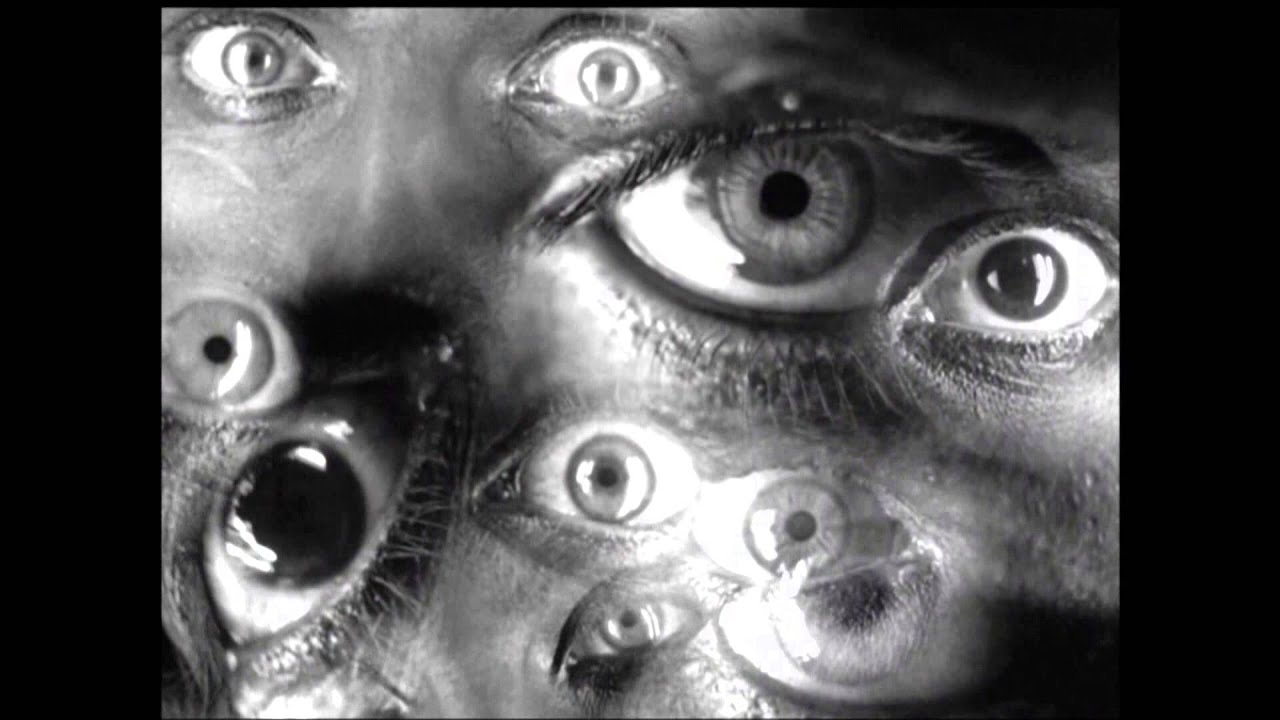 Not only does Metropolis provide a cautionary tale and host critical social commentary from the time, especially in the wake of Bolshevism and the USSR, it is a stunning film to watch. During this period of film making, directors were set on experimenting with camerawork and editing to see what they could create through this new phenomena of entertainment. This is evident in Lang's film, with intricate set pieces and strictly choreographed scenes involving hundreds of actors, marching across the screen. His experimentation with editing is abundant, with multiple uses of montage sequences (evidently one inspired by the works of Sergei Eisenstein and similar directors from the era) and striking images, such as the collage effect used to evoke the notion of an obsessive male gaze in Maria's clone's hauntingly seductive dance routine, which branded the controversial nature of film upon release. This forced Lang to edit the originally 150 minute film down to 91 minutes upon its American release (the thought-to-be lost footage was recently recovered in 2010 of the cut scenes and a now fully restored 150 minute version of the film has been re-released to the public).
Metropolis' influence upon cinema since its initial release spans far and wide. Ridley Scott evidently took significant inspiration from the film when making his equally masterful neo-noir science fiction thriller Blade Runner (1982), in which much imagery shares many similarities with Metropolis. But also, inspiration can be seen in films such as Star Wars (1977, dir. George Lucas), 2001: A Space Odyssey (1968, dir. Stanley Kubrick) and even The Terminator (1984, dir. James Cameron), and no doubt many more. Its importance in cinema is paramount and to dismiss it as a dull silent film is almost a crime in itself.
Despite it being a silent film, it is a superbly entertaining and gripping movie, with a lot to say about the state of society as well as the path the world appears to be taking. I cannot stress how excellent, poignant, terrifying, and exhilarating this film is. Do yourself a favour and watch it!
Wednesday, 30 January 2019
The Favourite
Director: Yorgos Lanthimos
Cast: Olivia Coleman, Emma Stone, Rachel Weisz, Nicholas Hoult
Year: 2019 (U.K.)
Genre: Dark comedy / drama
The Favourite depicts the brutal feud that develops between Abigail (Stone) and Sarah (Weisz) in a desperate attempt to gain the Queen's (Coleman) affection and become her 'favourite'.
Set in 18th Century Britain, against the backdrop of a war between the British and the French, The Favourite explores the lives of the wealthy aristocrats of the time who appear more excited by the apparent thrills of duck racing and private gossip about their peers than the actual threat of the French. At the head of these, Queen Anne resides over England with Lady Sarah at her side, who acts as her counsellor, friend and representative within meetings. Unbeknownst to Anne and Sarah, a once-royal, Abigail, is hired to work in the kitchens and as a maid in the Queen's palace. When Abigail's surreptitious attempt at treating the Queen's injured leg yields positive results, her treatment is acknowledged by Sarah and Anne, allowing her to rapidly climb the ranks within this hierarchical system. However, when the Queen starts to take an equal liking to Abigail, a feud emerges between the two ladies as they fight for Anne's affection and favour.
Across the board, the performances from all the actors are astonishing and highly commendable, in particular that of Olivia Coleman, who truly embraces the impatient, sometimes almost schizophrenic behaviour of the Queen. Her mood swings so frequently that there is a certain tension developed in the film as to what mood the characters will find her in from scene to scene. Similarly, Stone and Weisz produce equally excellent performances and the subsequent vicious battle between the two of them is elevated to such a state of authenticity through their evocative, emotional performances within the film. The characters have intricate personalities and surprising depth, and in an interesting twist, there are no inherent protagonists or antagonists. In essence, whatever fate they endure, they might arguably deserve and there is no definitive character to root for throughout - they are all essentially bad people with their own selfish intentions, even if do attempt to craft a solid facade to disguise their ulterior motives. Yet there is a kind of brutal and twisted entertainment derived from seeing them being successful in their various ploys against each other.
The direction also is absolutely impeccable. Lanthimos does not waste any shot within the film with his immaculate use of lighting (especially the chiaroscuro effect of the candlelit shots), the beautiful, jaw dropping cinematography and his elegant use of camerawork. The camera seems to delicately flow across the rooms, constantly shifting framing, and Lanthimos does also implement the occasional, yet meticulous whip pans within his scenes, adding a smooth and constant sense of motion throughout the film.
The dark humour embedded in the script adds another element of quirkiness and personality to what could have been an otherwise dull movie. The comedy is sharp and witty, with the occasional overt but nonetheless hilarious jokes which allow for a sense of relief amidst the tense relationship between Anne, Abigail and Sarah. The tone throughout the movie shifts quite frequently from comedy to melodrama or even to something resembling a thriller. Regardless, there never feels a moment in which tension or emotion is forced or overly contrived.
Ultimately The Favourite is masterfully crafted by Lanthimos, exhibiting astonishing performances across the board as well as displaying Lanthimos' intricate and near perfect direction.
Verdict: 9/10
The dark humour embedded in the script adds another element of quirkiness and personality to what could have been an otherwise dull movie. The comedy is sharp and witty, with the occasional overt but nonetheless hilarious jokes which allow for a sense of relief amidst the tense relationship between Anne, Abigail and Sarah. The tone throughout the movie shifts quite frequently from comedy to melodrama or even to something resembling a thriller. Regardless, there never feels a moment in which tension or emotion is forced or overly contrived.
Ultimately The Favourite is masterfully crafted by Lanthimos, exhibiting astonishing performances across the board as well as displaying Lanthimos' intricate and near perfect direction.
Verdict: 9/10
Subscribe to:
Posts (Atom)